Samhain: The Lost Art of Letting Go
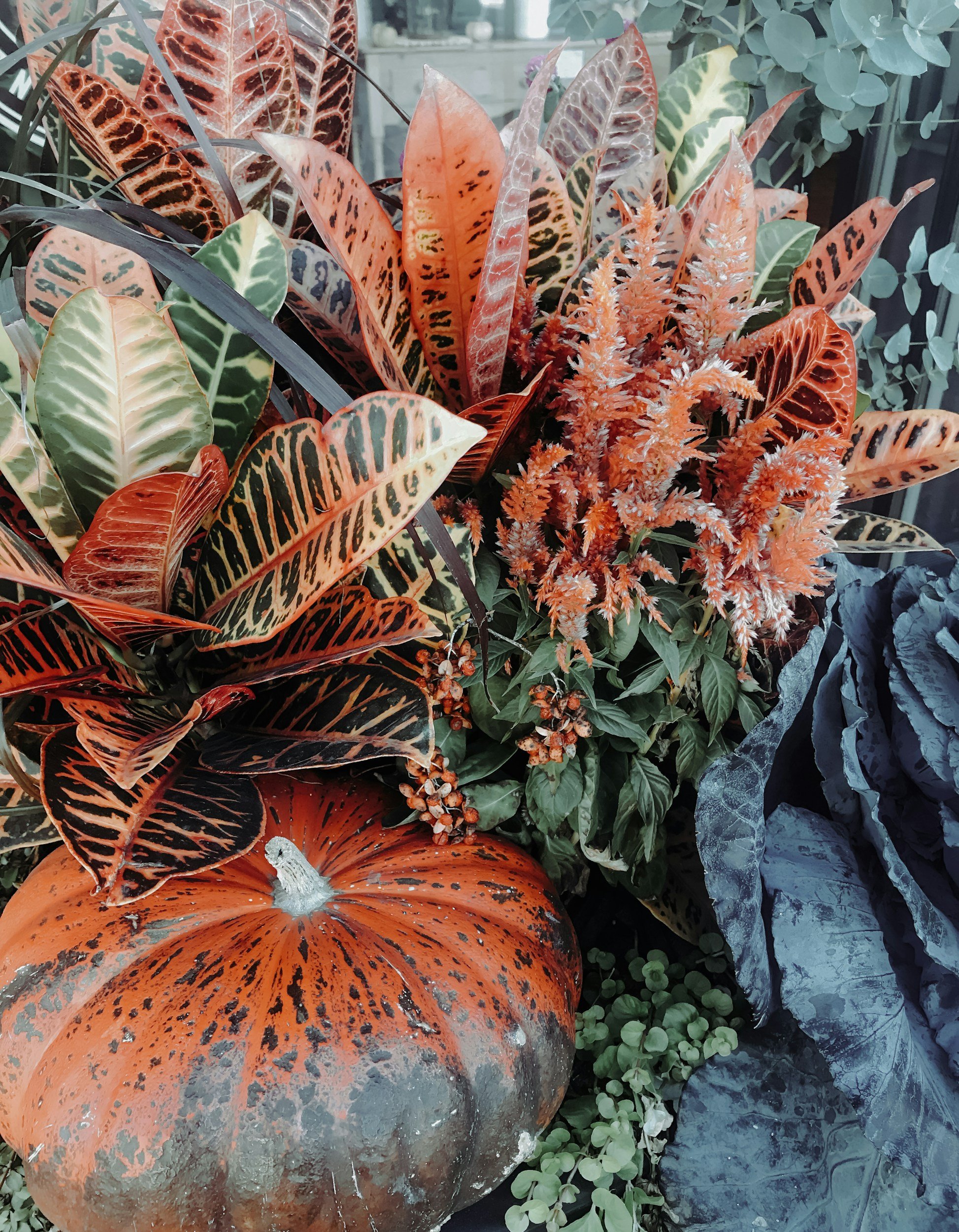
The ancient Celtic festival of Saimhan
invites us to pause at the threshold
between fall and winter to reflect,
release, and renew. Once a sacred
time of honoring ancestors and
the final harvest, its deeper meaning
has faded beneath modern Halloween traditions. Reclaiming Samhain means returning to ritual and rhythm.
As nature surrenders to winter, we too
are called to let go and prepare our
inner world for rest, so that new life
may quietly take root and emerge in spring.
The Season of Letting Go
As October folds into November, we stand at a threshold between seasons of what has been and what is yet to come. In the old Celtic calendar, this was Samhain (pronounced Sow-een), the harvest celebration, also known as the Witch’s New Year. This marked a sacred turning of the wheel when the final harvest was gathered, the veil between worlds grew thin, and communities honored both life and death in equal measure. It was a time of ceremony and reflection, of tending the soil and the soul before winter’s long rest.
Though its deeper meaning has faded beneath modern Halloween traditions, reclaiming Samhain invites us back into rhythm and reverence. We are reminded to slow down and reflect. Taking a page from nature, as she surrenders to stillness and the coming winter months, we too are called to let go, take stock, and prepare our inner world for rest.
What We Lost
Rooted in the Irish and Scottish countryside, Samhain was once a cornerstone of village life. Families gathered around the hearth to celebrate the final harvest, sharing feasts of roasted root vegetables, apples, and mead. Candles were lit to honor ancestors, and extra plates were set at the table to welcome the spirits of those who had passed. It was not a night of fear but of reverence—a conversation between the living and the dead.
Samhain marked the midpoint between fall and winter, when the veil between worlds was said to thin. It was both an ending and a beginning—a sacred time to reflect on the year’s growth and to prepare for the quiet dormancy ahead.
Over time, as folklore turned to superstition and the Church sought to Christianize pagan rituals, the deeper meaning of Samhain faded. It was renamed All Hallows’ Eve, and what was once an intimate ritual of gratitude and remembrance became a night of fright and spectacle. The sacred slipped underground, but not away.
Our Need for Samhain
At its heart, Samhain invites us to pause and take stock. To harvest not just the fruits of the field but the lessons of our lives. It’s a time to look back on the growing seasons of spring and summer, to take inventory of the projects, relationships, and efforts that bloomed, and to ask:
What nourished me?
What depleted me?
What needs to be released so I can begin again?
This is the alchemy of Samhain—the transformation that happens in the dark. Just as the earth rests beneath a blanket of frost, we are also called to turn inward. Winter becomes a womb, a place where dreams compost and re-form. When spring returns, it brings not just new growth but a rebirth born of deep rest and reflection.
The Witch’s New Year
Many of the markers of Halloween and Día de los Muertos, were taken from the Samhain celebration. While aspect of the season are about the health of the community, it was also a private ceremony for the wicca, the wiches, the wise women. They marked this season as an inner rite that carried a sacred tone, using this time as pause for spiritual practice and ceremony.
This is the time when the veil between the living and the dead is thinnest, in nature and also within each of us. When we feel the nearness of nature letting go and also the spirit of those who have passed in the soft hum of the unseen world, it offers a potent opportunity to bring closure to grief or loss. This is the season to allow the heart to follow nature’s lead as she releases her leaves and rests into her own quiet dormancy.
And yet, Samhain is also a celebration of life. The awareness of death brings into sharp focus all that is still alive—the warmth of the hearth, the laughter that lingers, the pulse of your own breath. In this juxtaposition, life becomes more vivid, more precious, more intentional.
During this Samhain window, you are invited to rekindle this old tradition. Reflect on what is dying in your own life. What needs to return to the soil to alchemize and transform into the next creation? This is the time to dream into the next version of yourself, your relationships, and your purpose. Ask yourself what you are leaving behind and what you are carrying with you. What inner harvest will you store for sustenance through the winter, to germinate quietly and emerge renewed in spring?
This is not a celebration to rush through—it’s one to sink into.
In the coming weeks create your own version of ritual and reflection. Write down what you are ready to release, and then burn or bury it in the soil as an offering to the earth. Light candles to mark the darkening of the year, and to honor those who have gone before. Prepare a nourishing meal with the seasonal foods of the final harvest—squash, grains, apples, and root vegetables—and share it with loved ones. Let the meal and conversation become an act of remembrance and renewal, reflecting on your inner world and how it shapes the way you live each day.
Be intentional. Slow down. Prepare for the upcoming season of rest. This is the quiet magic of Samhain—the return to rhythm, reverence, and the lost art of letting go.